Our Rating System
A score with no public grid behind it is worthless — it's just an opinion dressed up as a number. Here's ours, in full, applied without exception to the four Tongsheng motors we track.
The criteria
- Performance (35%)
- Torque and power actually documented — measured at the manufacturer source when it exists, otherwise cross-checked between resellers
- Pedaling comfort (20%)
- Sensor quality, clutch mechanism, motor weight on the bike
- Compatibility (20%)
- Bottom bracket, supported voltages, mounting versatility
- Value for money (25%)
- What you get for the confirmed entry price, official source or not
What each criterion measures
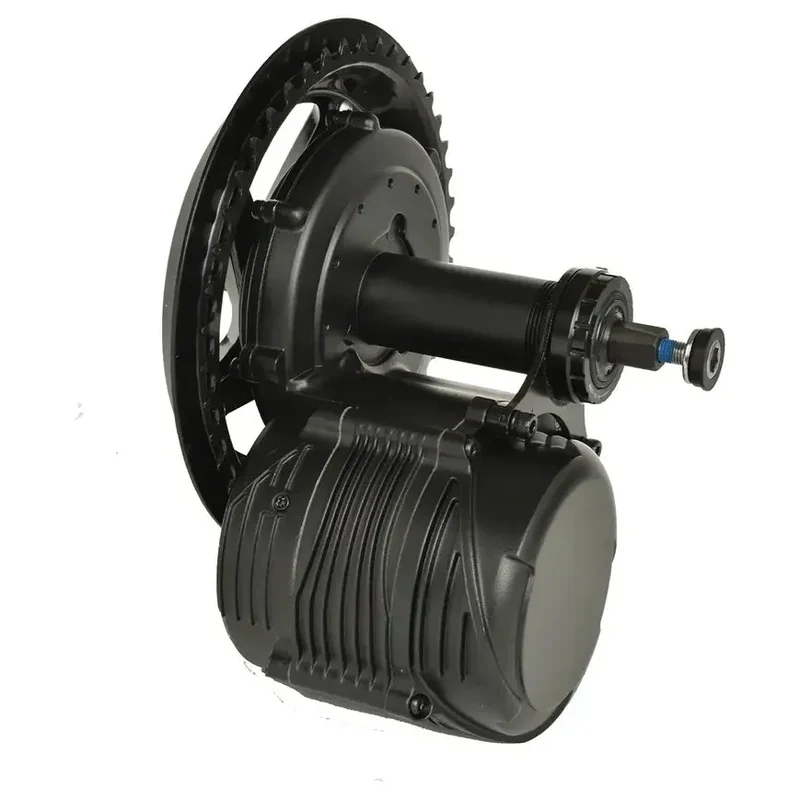
Performance. The figure a reseller highlights is almost always the most flattering one in the available range — true of the TSDZ8, whose official torque runs 90 to 140 N·m depending on configuration. We score the documented performance as a whole, not the single isolated value from a listing.
Pedaling comfort. A lighter motor, with a clutch that reduces pedaling resistance when the motor is off, genuinely changes the day-to-day feel — that's what this criterion measures, beyond the spec sheet alone.
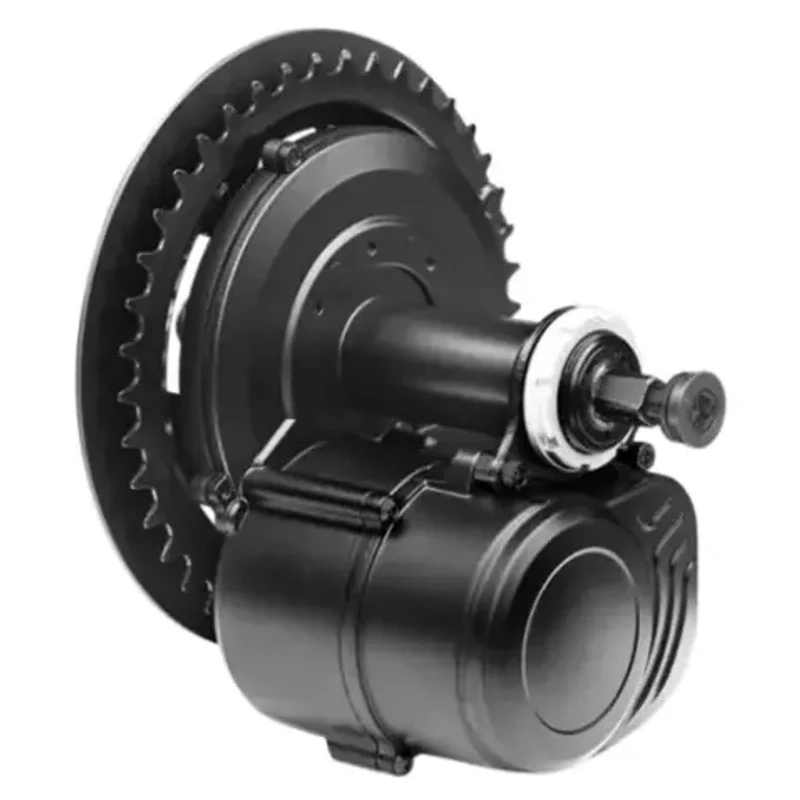
Compatibility. A motor that supports several voltages and a wide bottom-bracket range fits more bikes without an adapter or constraint. The TSDZ2B, compatible with 24/36/48 V, dominates this criterion by a wide margin.
Value for money. The one criterion that directly folds in source reliability: a motor undocumented by the manufacturer, even if cheaper in practice, carries a share of uncertainty that we reflect in the score.
The scale
| Score | What it means |
|---|---|
| 9.0 – 10 | Dominates its category on several criteria, manufacturer documentation included. Rare. |
| 8.0 – 8.9 | A very good motor, no dealbreaker — the TSDZ8 and TSDZ2B fall here. |
| 7.0 – 7.9 | A good motor, with an accepted trade-off — unconfirmed performance or an incomplete spec sheet. |
| 6.0 – 6.9 | Fine, but outdated or poorly documented against the alternatives. |
| < 6.0 | Skip it: another model does better for a comparable use case. |
We only score what we can justify. A score rests on the model's standard spec sheet and its status in Tongsheng's official catalog. It doesn't claim to predict three-year reliability — nobody can, and sites that claim otherwise are guessing.
Why our scores don't just follow claimed torque
If our grid mechanically followed the highest claimed torque, the TSDZ16 (160 N·m claimed) would top our ranking. It doesn't: the TSDZ8, slightly less powerful on paper but fully documented by Tongsheng, scores higher overall (8.5 versus 7.9). That's the mechanical result of a grid that weighs data traceability as heavily as its raw value — and it's exactly what a ranking built on marketing claims alone would never produce.
Frequently asked questions
Why can a motor with no official documentation still score well?
Because official documentation is only one of four criteria in our grid (via compatibility and value for money), not a gatekeeper. The TSDZ16, with no manufacturer sheet, still scores 7.9/10 on raw performance — but it can’t outrank a motor that’s just as powerful and fully documented.
Why does value for money carry so much weight?
Because the four Tongsheng motors we track share the same entry price: the question is never "which costs least" but "which gives you the most for that price." The score reflects what you actually get, not just the specs claimed.
Does the score change over time?
Yes. If Tongsheng publishes an official spec sheet for a motor that didn’t have one, its compatibility and value-for-money score adjusts accordingly. Every review carries its last-updated date.
The best picks right now
Tongsheng TSDZ2
Tongsheng TSDZ2B
Tongsheng TSDZ8