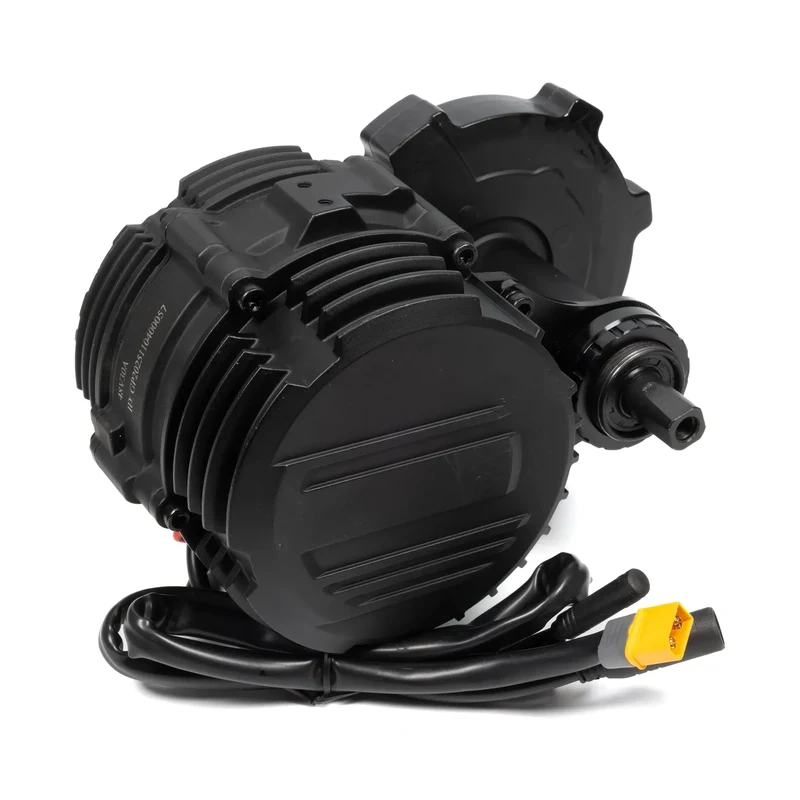
Which Tongsheng Motor to Choose? The Guide by Use Case
The ranking tells you which Tongsheng motor is best rated in the abstract. This page tells you which one fits your bike and your use case — and it's almost never the same answer.
Quick answer
| Your situation | The right model | Why |
|---|---|---|
| You don't want to think about it | TSDZ8 | High torque, fully official spec sheet |
| Light urban riding, weight matters most | TSDZ2B | The lightest (3.6 kg), 80 N·m is enough |
| Cargo bike, steep terrain | TSDZ8 or TSDZ16 | Maximum available torque |
| Open-source firmware project | TSDZ2 | The only community-proven option |
| Budget capped by local power rules | Any of the four, configured accordingly | The configurable kit covers this power level across the range |
You want a cargo motor or need to handle steep terrain
From around 90 N·m, a mid-drive motor starts making a real difference under load or on hills. The TSDZ8 (up to 140 N·m officially documented) is our default pick: a comfortable torque margin, and a spec sheet fully confirmed by Tongsheng.
The TSDZ16 promises more (160 N·m), but no manufacturer spec sheet confirms it. For professional or intensive use, we recommend verifying the exact configuration with the reseller before buying.
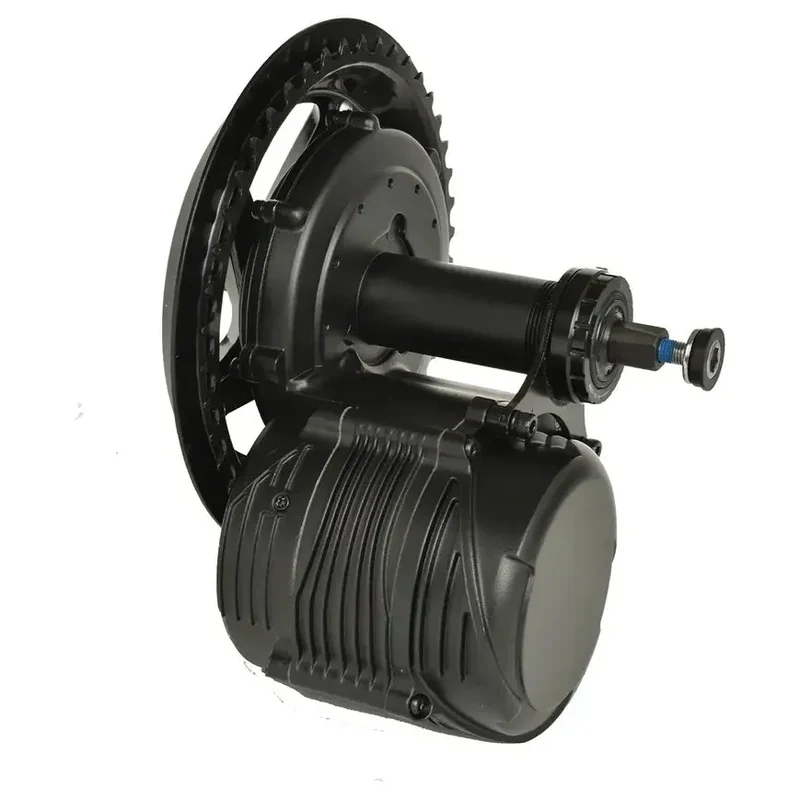
You want the best lightness-to-simplicity ratio
The TSDZ2B is built for exactly this: 3.6 kg, compatible with 24/36/48 V, and a spec sheet with no gray areas at all. 80 N·m comfortably covers urban or moderate touring use.
A simple rule of thumb. If you're not hauling heavy loads and aren't tackling sustained climbs, the TSDZ2B is enough — and it's 1.2 kg lighter on the bike than the TSDZ8.
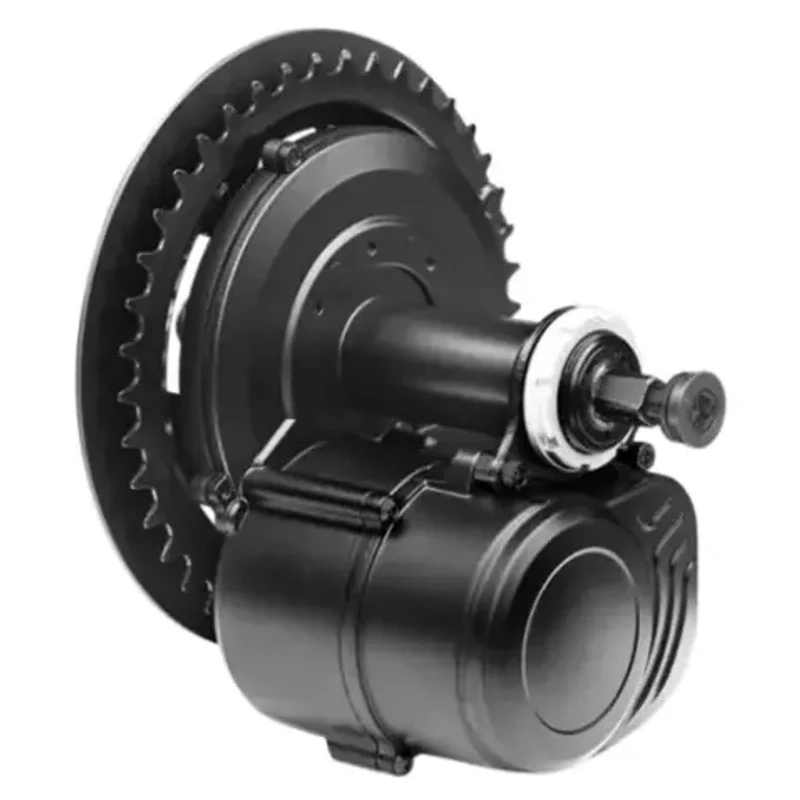
You have an open-source firmware project
The original TSDZ2 remains the only proven reference, via the TSDZ2-Smart-EBike community project, active since 2018. It is, however, no longer sold as a distinct new kit: searching "Tongsheng TSDZ2" today leads to the same configurable kit as the other models.
→ The Tongsheng open-source firmware, in detail
You're wondering whether 250 W is enough, legally
This is often the real first question, before even picking a model: in the European Union, an e-bike must stay within 250 W and 25 km/h of pedal assist to keep its bicycle status, with no license or registration required. In the United States, Class 1–3 e-bikes generally allow up to 750 W, with assist cut-off speeds of 20 to 28 mph depending on the class — but state-level rules vary, so check your local regulations before configuring a kit.
→ 250 W or 750 W: what the law says
The compatibility question
Before torque or power, check your bike's bottom bracket: 68 or 73 mm for the TSDZ8, 68 to 75 mm for the TSDZ2B — the most common standard on mountain and city bikes, but always worth confirming before you buy.
→ How to install a Tongsheng motor
Read next
→ Our full ranking · The full range comparison · Prices and configuration
Frequently asked questions
Which Tongsheng motor for a cargo bike?
The TSDZ8 (up to 140 N·m official) or the TSDZ16 (160 N·m claimed, unconfirmed by the manufacturer), depending on your tolerance for uncertainty about the specs. The TSDZ2B, capped at 80 N·m, isn’t sized for heavy loads.
Which Tongsheng motor for light urban riding?
The TSDZ2B: 80 N·m official is plenty, in the lightest package in the range (3.6 kg), with a spec sheet fully documented by Tongsheng.
Which Tongsheng motor for an open-source firmware project?
The original TSDZ2 remains the only proven option, via the TSDZ2-Smart-EBike community project. It is, however, no longer sold as a distinct new kit — expect to source a used unit or spare parts.
Do I need a 250 W or 750 W motor?
That’s a regulatory question before it’s a technical one. In the European Union, an e-bike must stay within 250 W and 25 km/h to keep its bicycle status (see our dedicated guide); in the US, Class 1–3 e-bikes generally allow up to 750 W with speed limits of 20–28 mph depending on class. Check the rules that apply where you actually ride.
The best picks right now
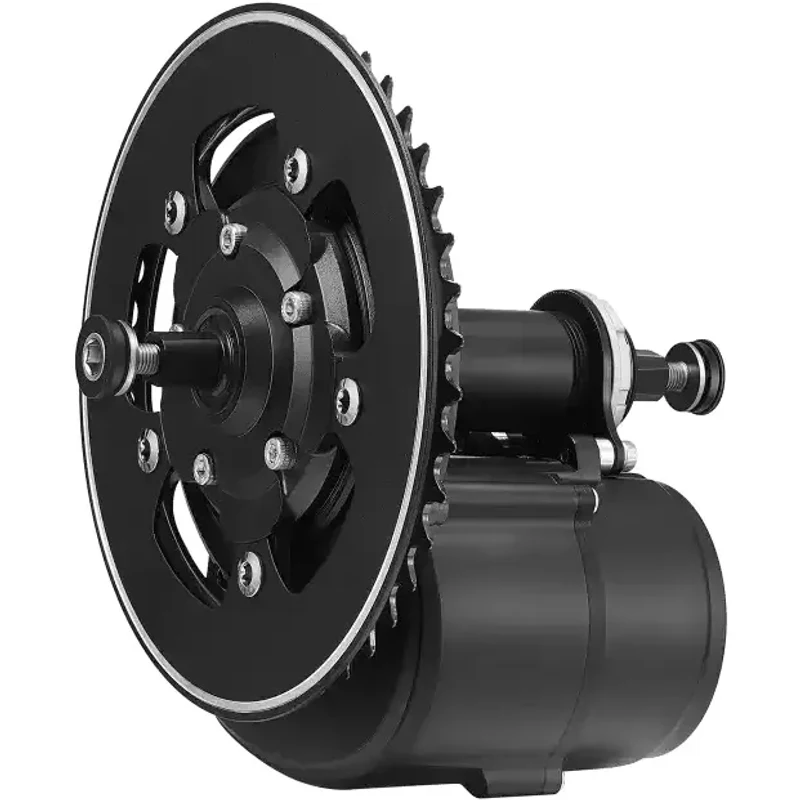
Tongsheng TSDZ2
Tongsheng TSDZ2B
Tongsheng TSDZ8