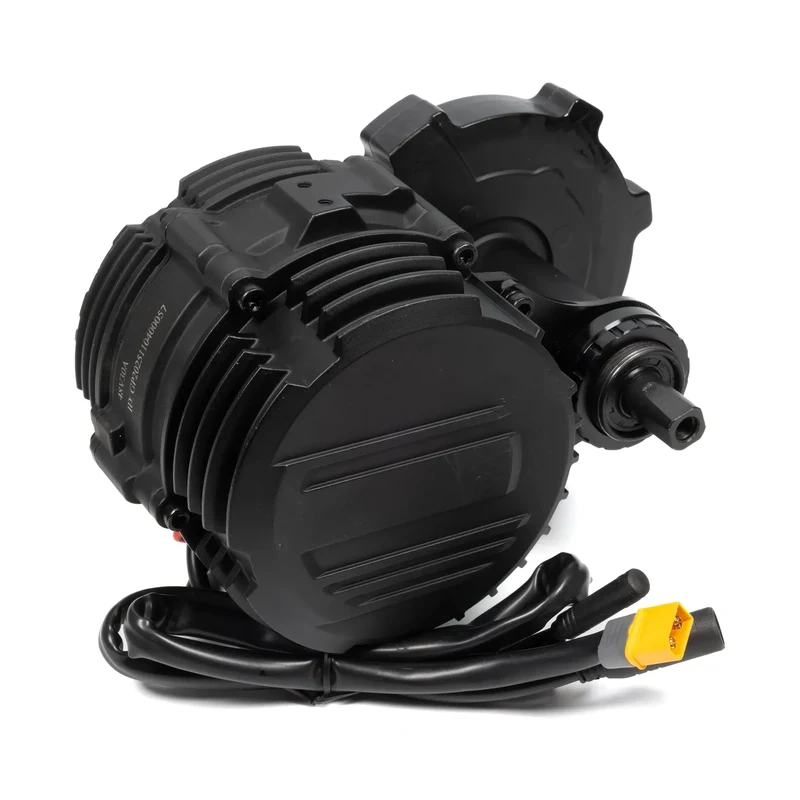
Tongsheng Open-Source Firmware: What It Actually Enables
Open-source firmware is the one TSDZ2 advantage that neither the TSDZ2B nor the TSDZ8 has genuinely inherited. Here's what it actually enables, and what to know before getting into it.
The TSDZ2-Smart-EBike project
Developed and maintained by an active community since 2018, this open firmware replaces the TSDZ2 controller's stock software with a fully configurable version. It documents and exploits the motor's torque sensor in a level of detail no stock Tongsheng firmware has matched since, on any model in the range.
What the firmware lets you adjust
Assist curves, adjustable level by level, rather than the few fixed modes offered by the stock firmware. Torque sensor sensitivity, for a more or less reactive feel depending on your pedaling style. Cut-off thresholds (speed, cadence) and startup behavior. Extended data display on some compatible screens, beyond what the stock display shows.
What we don't recommend. Some settings this firmware allows also unlock the 25 km/h assist speed limit imposed on e-bikes in the European Union (and comparable Class 1–3 thresholds in the US). Beyond that threshold, the vehicle changes regulatory category — see our dedicated guide on this topic.
→ 250 W or 750 W: what the law says
Why this firmware doesn't work on the TSDZ8
The TSDZ8 and TSDZ16 run on a different controller architecture than the original TSDZ2. We found no confirmation of a stable, functional port of the open firmware to these newer models. The TSDZ2B, the TSDZ2's direct successor in the official catalog, shares a similar architecture but, to our knowledge, remains less well covered by the community than the original TSDZ2.
This is why the TSDZ2, though no longer sold as a distinct new kit, remains the only serious reference for anyone building a conversion project around open firmware.
Risks to know before you start
The warranty. Flashing third-party firmware almost always falls outside the manufacturer's and reseller's intended use conditions — check the terms before any intervention.
The risk of bricking the controller. A mistake during flashing (wrong version, power cut mid-operation) can render the controller inoperative. The community documents recovery procedures, but they require genuine technical skill.
Regulatory compliance. Changing speed or power parameters can push the bike outside its legal e-bike category — see our guide on power regulations.
Who this firmware makes sense for
Users who already own a TSDZ2, or who source a used one specifically for this project, and who have the technical skills to install and configure it safely. For a new purchase without that specific constraint, the TSDZ8 or TSDZ2B remain more rational choices — better documented, more powerful or lighter depending on the model.
→ Our full Tongsheng TSDZ2 review · TSDZ2 vs TSDZ8, the comparison
Frequently asked questions
Is open-source firmware legal to install?
The firmware itself isn’t illegal to install on your own hardware. Unlocking the speed limiter, however, moves the bike out of its e-bike regulatory category and exposes it to obligations similar to a moped — registration, insurance, approved helmet — with rules varying by country.
Does installing this firmware void the warranty?
Very likely, yes, in most cases: modifying a controller’s software almost always falls outside the vendor’s intended use conditions. Check your reseller’s warranty terms before any installation.
Do you need specific skills to install it?
A basic grounding in embedded electronics and the command line is required: flashing the controller via a programmer, configuring parameters through a text file. It isn’t an adjustment you make from the bike’s display.
The best picks right now
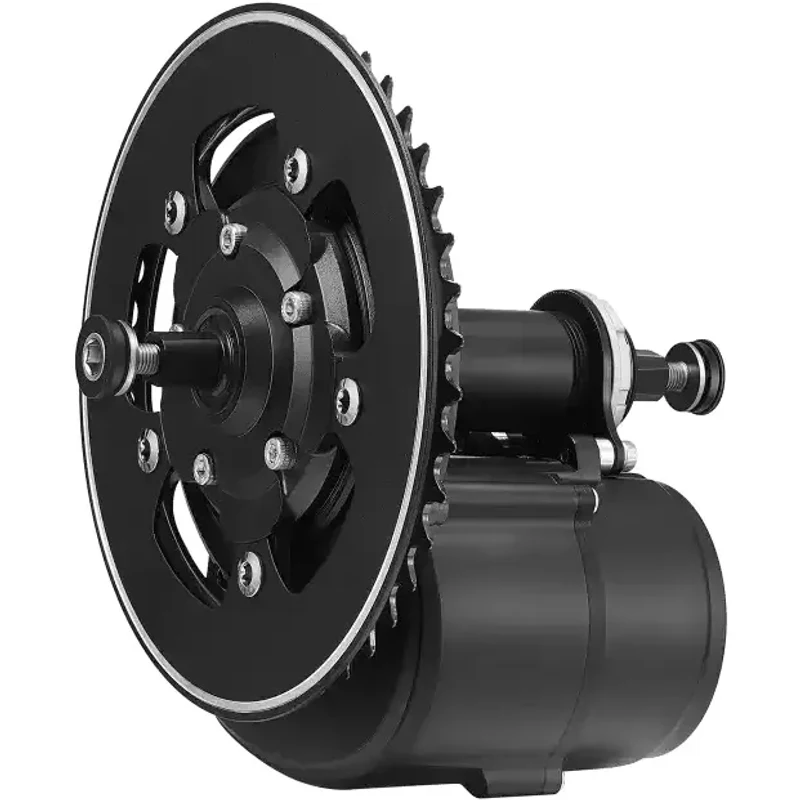
Tongsheng TSDZ2
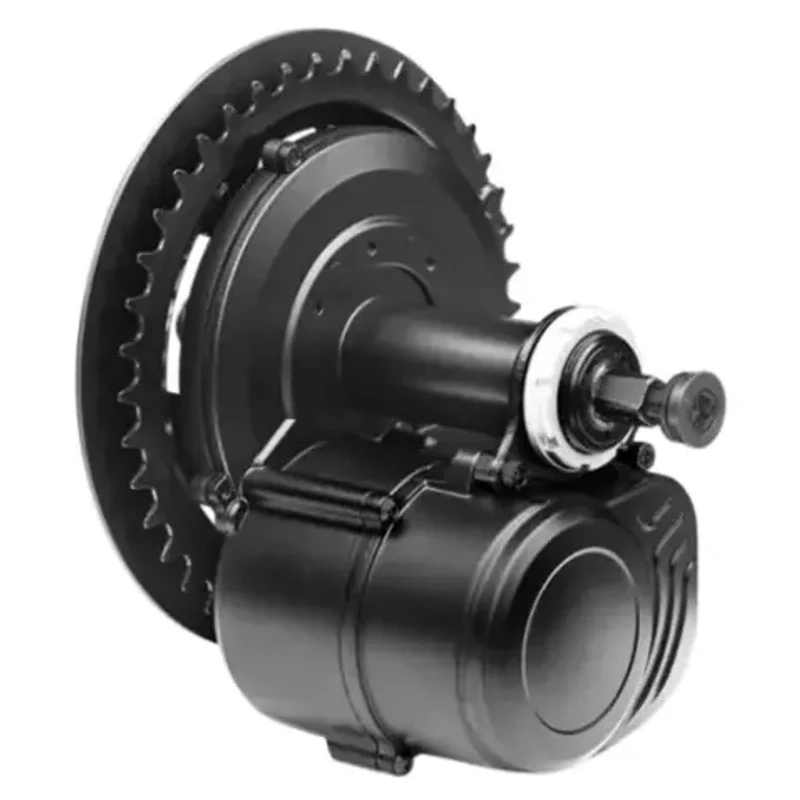
Tongsheng TSDZ2B
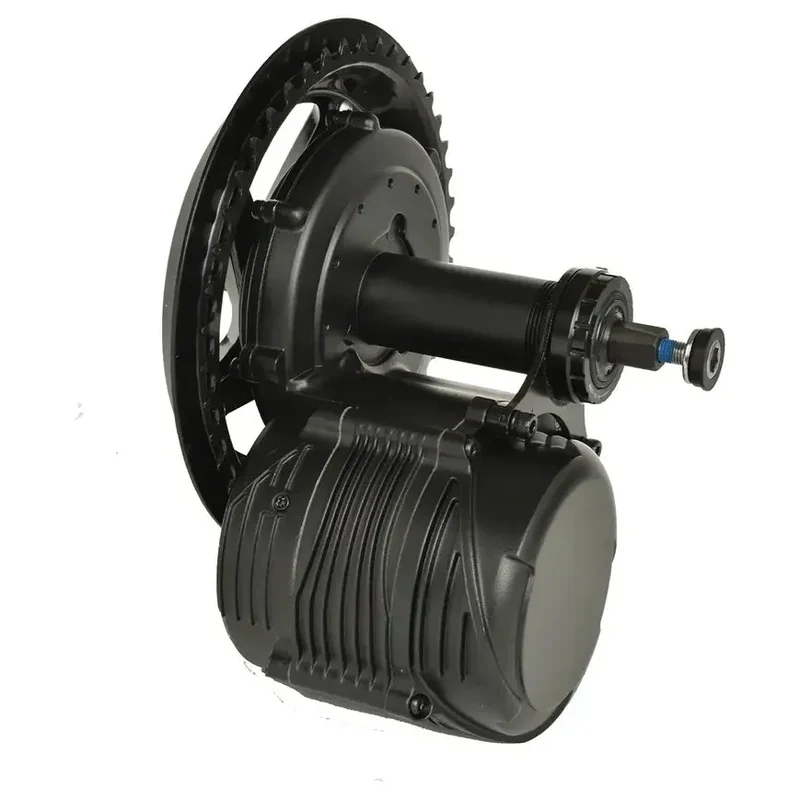
Tongsheng TSDZ8