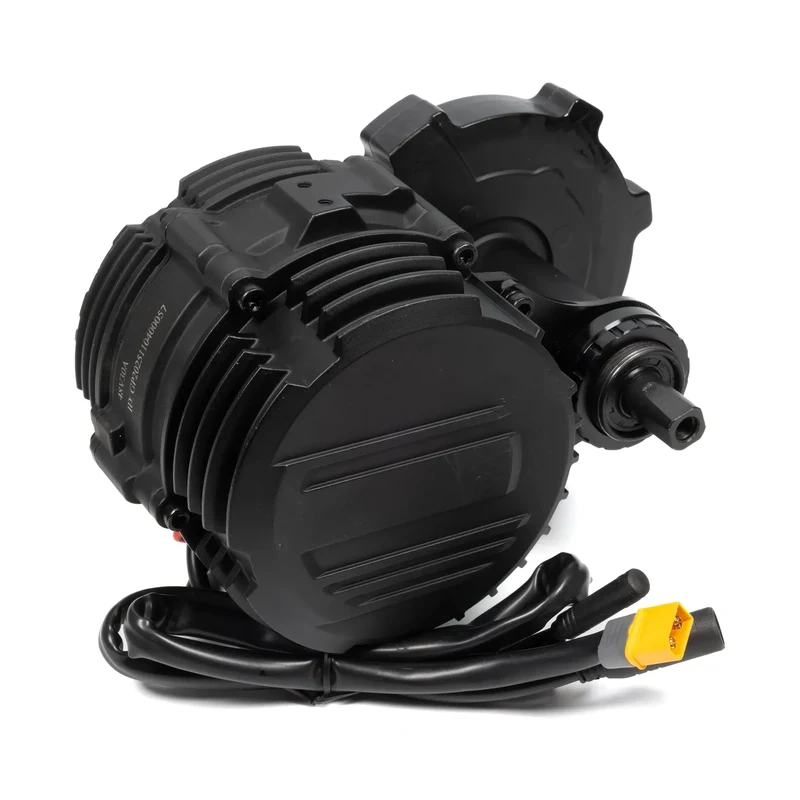
250 W or 750 W: What Does the Law Say About Tongsheng Motors?
Before choosing between a 250 W and a 750 W configuration of the same Tongsheng motor, one question comes before the technical choice: what regulatory status do you want for your bike?
Disclaimer. This page reflects our understanding of e-bike regulations in the European Union and the United States as of publication. It is not legal advice. Rules vary by country and, in the US, by state, and can change: check the regulations that apply where you actually ride, including with the relevant authorities or a qualified bike professional, before any conversion.
The threshold that defines an e-bike
In the European Union, a bike fitted with electric assist keeps its bicycle status — no license, no registration, no mandatory specific insurance — provided it meets two cumulative criteria: continuous nominal power not exceeding 250 W, and assist that cuts off above 25 km/h. These thresholds define the category commonly called an EPAC or "pedelec."
In the United States, most states follow a three-class model: Class 1 and 2 e-bikes are limited to 750 W with a 20 mph (32 km/h) assist cut-off (Class 2 adds a throttle); Class 3 e-bikes allow assist up to 28 mph (45 km/h), also generally capped at 750 W, sometimes with additional requirements (helmet, minimum age, no throttle). Some states diverge from this model or add local restrictions — check your state's specific rules.
Beyond whichever threshold applies to you, the vehicle changes regulatory category — and may fall under moped or motor-vehicle rules, with different obligations (registration, specific insurance, approved helmet, license depending on the case).
Nominal power versus peak power: the confusion to avoid
The Tongsheng motors we track are sold in configurations ranging from 250 W to 1,000 W. That figure generally corresponds to a nominal or peak power claimed by the seller, not necessarily the power actually delivered continuously in a given configuration.
What this means in practice. The same Tongsheng motor (the TSDZ8, for instance, available in a 500 W or 750 W configuration) can technically be tuned by the controller to meet EU thresholds (250 W nominal, 25 km/h) — or US Class 1–3 thresholds — or, conversely, to exceed them significantly. It's the configuration and controller tuning that determine the bike's actual regulatory status, not just the figure printed on the product listing.
Why some buyers still choose 750 W
A motor configured for higher nominal power keeps, in some tunings, a useful torque reserve for hills or cargo loads, while still being tunable to respect legal speed thresholds. Other riders, particularly for private use on terrain not open to the public, deliberately choose to step outside e-bike regulatory frameworks — a decision that should be made with full awareness of the obligations that follow (insurance, registration depending on the case).
The link with open-source firmware
The TSDZ2's open firmware, covered in our dedicated guide, notably allows adjusting the controller's speed limiter. This is a particular point of caution: unlocking that limit moves the bike outside its e-bike regulatory framework, with the consequences described above.
→ The Tongsheng open-source firmware, in detail
What we recommend
Before choosing a power configuration, check the regulations that apply in your country and state of use — they can differ from the general EU and US thresholds discussed here, particularly outside these two regions. When in doubt, a configuration that strictly respects your local e-bike thresholds remains the simplest path administratively.
→ Which Tongsheng motor to choose for your use case · Our full comparison
Frequently asked questions
Is a 750 W Tongsheng motor street-legal?
It depends entirely on the country and, in the US, the state. Configured and limited to EU thresholds (250 W nominal, 25 km/h assist cut-off), a bike keeps its e-bike status everywhere those rules apply. Configured for US Class 1–3 thresholds (up to 750 W, 20–28 mph depending on class), it may be street-legal in many US states without registration — but rules vary, and some states cap power or speed differently. Outside these frameworks — unlocked well beyond either — the vehicle typically loses its bicycle status and falls under moped or motor-vehicle rules.
Are nominal power and peak power the same thing?
No, and this is a frequent point of confusion. Regulations typically govern continuous nominal power (250 W in the EU, up to 750 W for US Class 1–3) and assist cut-off speed, not the instantaneous peak power a motor can deliver in a burst. A motor advertised as "750 W" can technically run below a lower threshold depending on how it’s configured.
Who checks a conversion kit’s compliance?
In practice, compliance rests largely on the configuration the buyer chooses and how the controller is set up. A roadside check or an inspection after an accident can nonetheless verify the bike’s actual power and speed.
The best picks right now
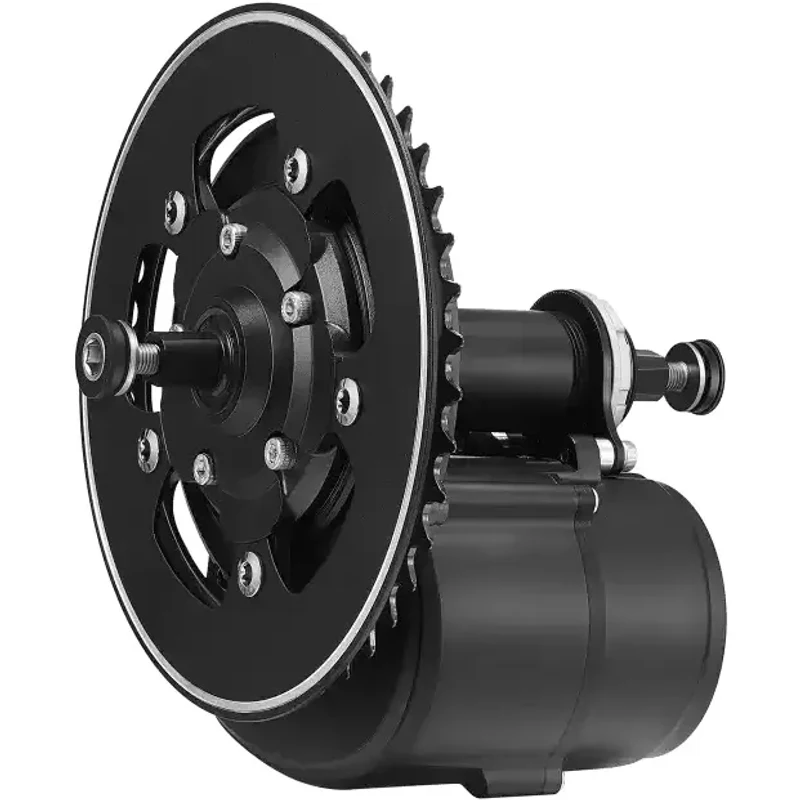
Tongsheng TSDZ2
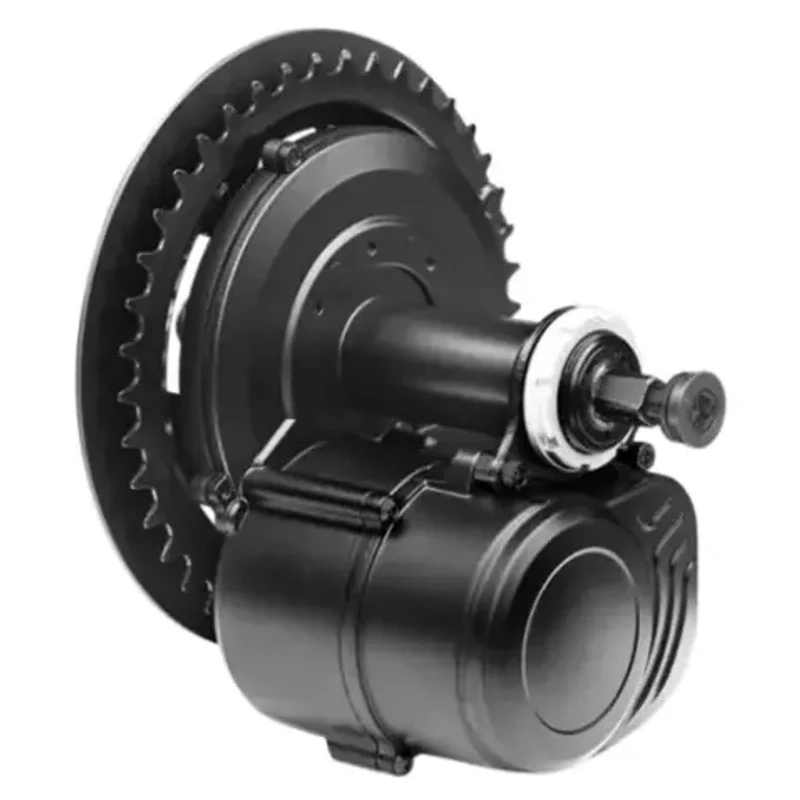
Tongsheng TSDZ2B
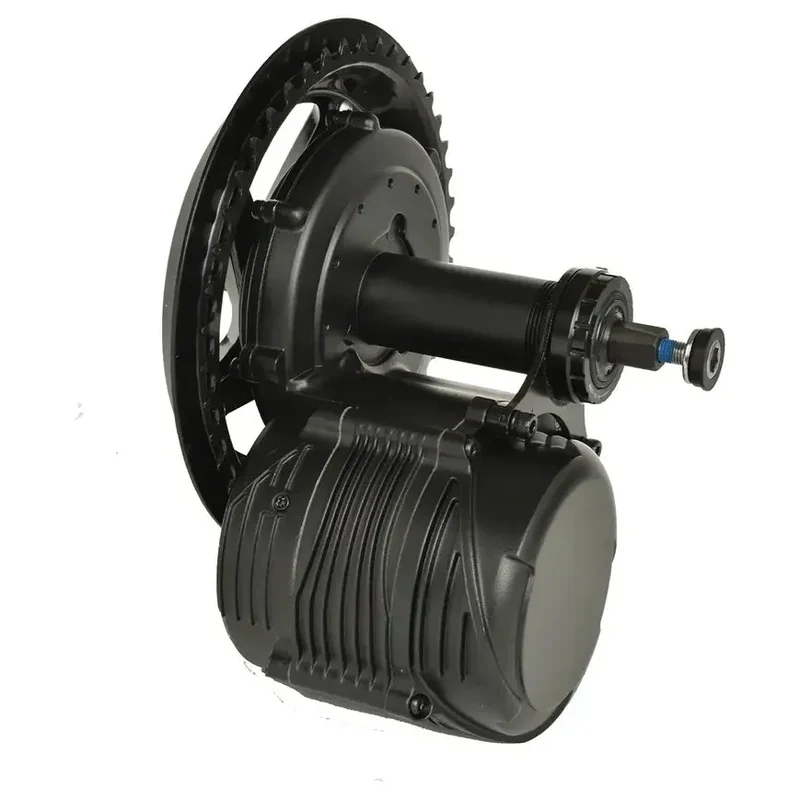
Tongsheng TSDZ8