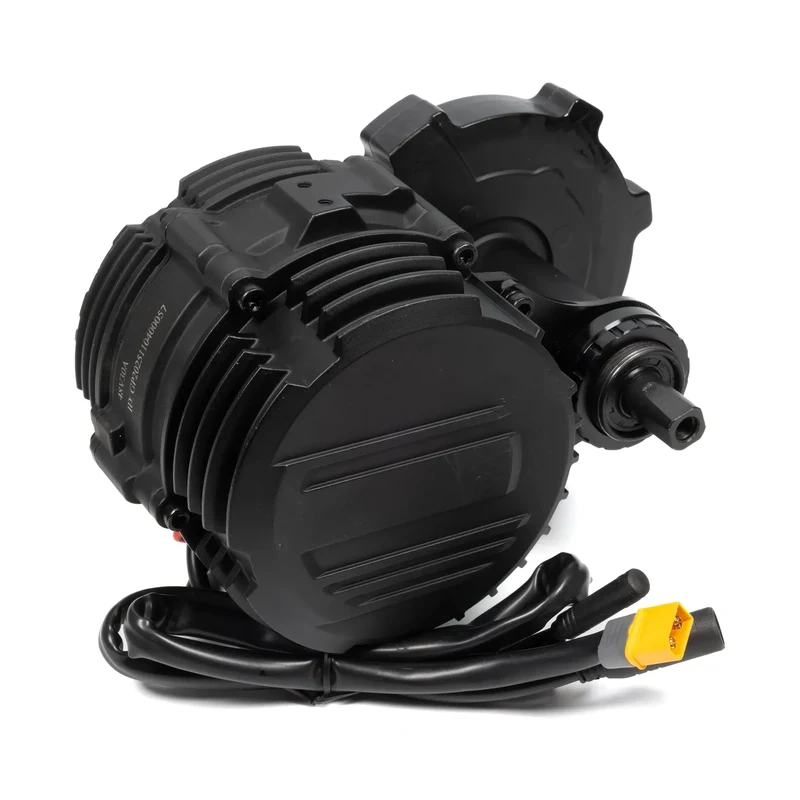
The Tongsheng Torque Sensor: How It Actually Works
The torque sensor is Tongsheng's central technical argument — and the point most product listings explain worst. Here's what it actually measures, and why it changes how the bike responds to your pedaling.
What a torque sensor measures
A torque sensor, built into the bottom bracket axle, measures the actual force applied to the pedals, continuously. The harder you press, the more the electric assist increases, in a proportion calibrated by the controller. The motor doesn't just react to the fact that you're pedaling: it reacts to the intensity of your pedaling, moment by moment.
Across the entire Tongsheng range we track (TSDZ2, TSDZ2B, TSDZ8, TSDZ16), this sensor comes standard — Tongsheng's official spec sheets document it consistently ("Torque Sensor" or "Speed/Torque" depending on the model).
Torque sensor versus cadence sensor
The most common alternative among competitors is the cadence sensor, which simply detects that the pedals are turning and applies a fixed assist level for the selected mode — regardless of the force applied. That's the case with the Bafang BBS02B and BBSHD, the best-selling conversion kits after Tongsheng's.
What this means in practice. With a torque sensor, pressing harder on the pedals increases assist immediately and proportionally — the feel is that of a strengthened bike, not a motorized one. With a cadence sensor, assist stays the same until the mode is changed manually: pedaling harder doesn't speed up the motor's help.
→ The full Tongsheng vs Bafang comparison
Speed + torque: the nuance in recent models
The official spec sheets for the TSDZ8 and TSDZ2B specify a "Speed + Torque" sensor, not "Torque" alone. That means the controller combines two pieces of information — force applied (torque) and pedal rotation speed — for a finer assist calculation, particularly at startup and through changes in cadence.
The original TSDZ2, older, is generally described as a "torque + cadence" sensor by resellers and the open firmware community — a similar architecture in principle, but less officially documented.
The battery-saving argument
Several product listings claim a torque sensor can save up to 30% battery compared to a cadence sensor, since assist only delivers the power actually needed for the effort applied. The physical principle makes this plausible — a cadence sensor often delivers more power than strictly necessary to maintain a fixed assist level — but we found no independent measurement quantifying this gain precisely for Tongsheng motors.
What this means for your motor choice
Sensor type doesn't differentiate Tongsheng models from each other — all four have one. It's more a brand-level argument than a model-level one: if a natural pedaling feel versus cadence-sensing kits is your priority, any Tongsheng motor in our selection meets that criterion.
→ Which Tongsheng motor to choose for your use case · Our full ranking
Frequently asked questions
Does a torque sensor use less battery?
Several resellers claim it does (up to 30% savings per one Amazon listing), since assist follows actual effort rather than a fixed level. We found no independent measurement confirming that precise figure, but the underlying principle (proportional rather than binary assist) makes some savings plausible.
Do all Tongsheng motors have a torque sensor?
Yes, it’s a constant across the entire TSDZ range (TSDZ2, TSDZ2B, TSDZ8, TSDZ16). It’s even the brand’s central argument against competitors like Bafang, whose best-selling models (BBS02B, BBSHD) use a cadence sensor.
Can you adjust the torque sensor’s sensitivity?
On the original TSDZ2, yes, very finely, via the TSDZ2-Smart-EBike open-source firmware project. On more recent models (TSDZ2B, TSDZ8, TSDZ16), adjustments go through the display and stock controller, with less room for customization.
The best picks right now
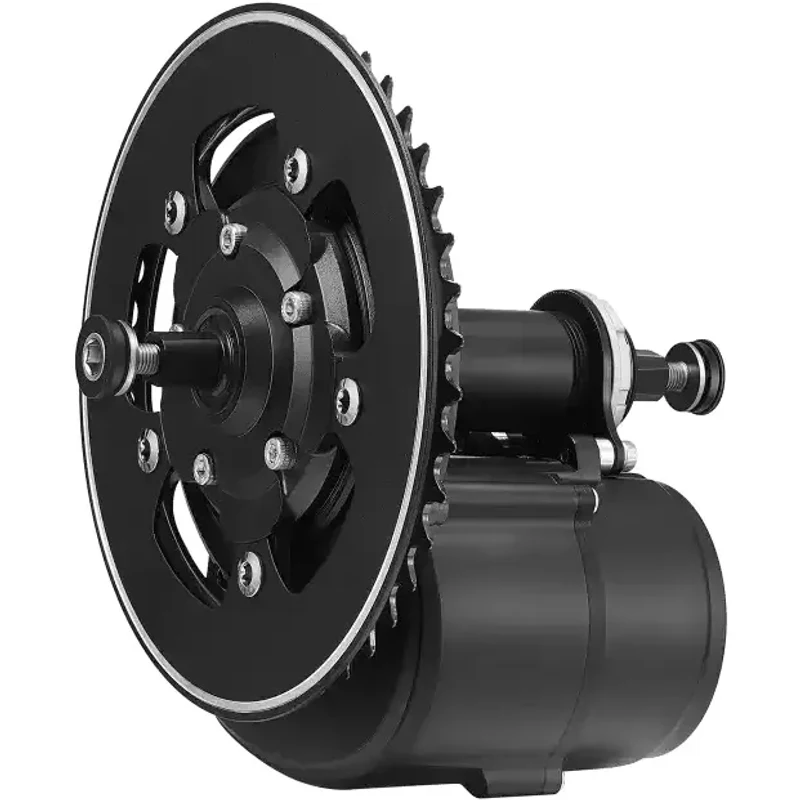
Tongsheng TSDZ2
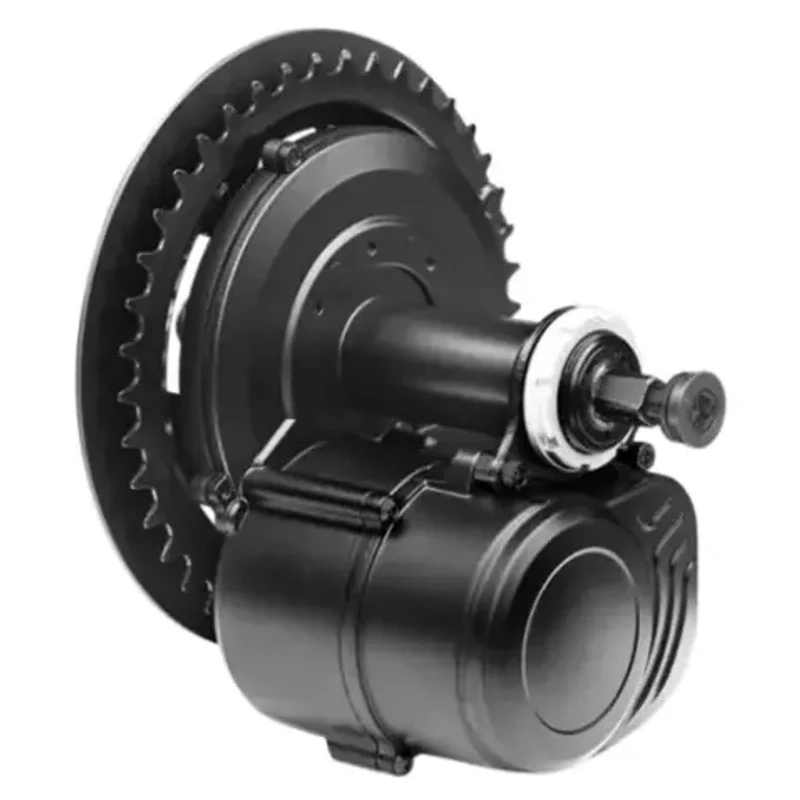
Tongsheng TSDZ2B
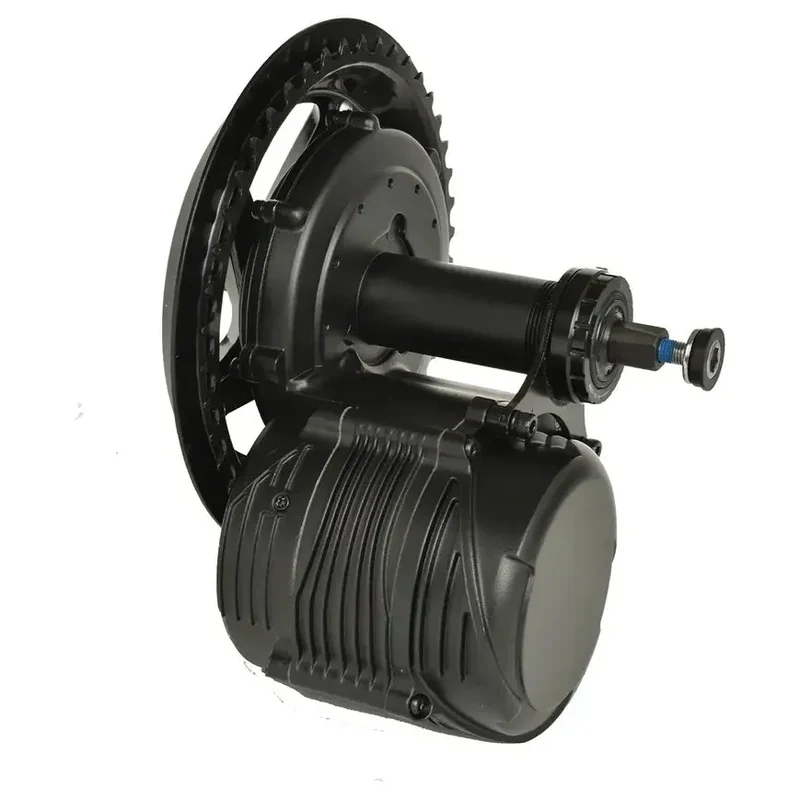
Tongsheng TSDZ8